

 NJ:
NJ: Chronic Mouth Breathing: Risks and Complications

Tales from the Microscope: Unusual Mold Alert
 June 21, 2016
allergies, allergy, allergy symptoms, Asthma, Dr. Donald Dvorin, english plantain, local pollen count, mold spores, outdoor mold, pollen count, published research, The Asthma Center
Tales from the Microscope: Unusual Mold Alert
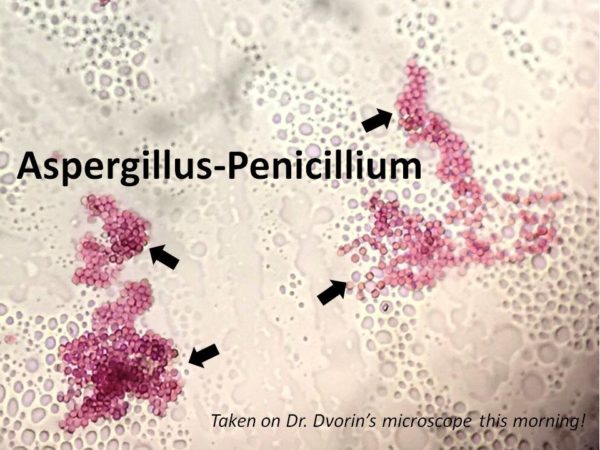
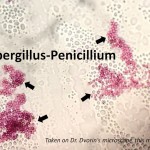
“I see a few of these every day, but today’s aspergillus-penicillium is unusual which may be related to increased humidity in our region.” That’s the word from Dr. Dvorin after counting today’s air sample. Typically, aspergillus-penicillium counts are under 100 mold spores per cubic meter of air/24 period. Today, aspergillus-penicillium counts are over 1400 mold spores per cubic meter of air/24 period. Exposure to mold spores can also provoke flares of asthma. Chronic sinusitis is also sometimes related to mold spore exposure. Other less common reactions to mold spores include allergic bronchopulmonary aspergillosis (ABPA) and allergic fungal sinusitis (AFS.) The Asthma Center specialists have tremendous experience in evaluating and treating mold allergy including ABPA and AFS.Pine Past Prime? Still Playing Hardball
 May 27, 2016
allergies, allergy, allergy symptoms, baseball, Dr. Donald Dvorin, eye allergies, eye allergy, grass pollen, memorial day, mold spores, outdoor mold, pine tree pollen, pollen, pollen count, priming effect, The Asthma Center, tree pollen, weed pollen
Pine Past Prime? Still Playing Hardball
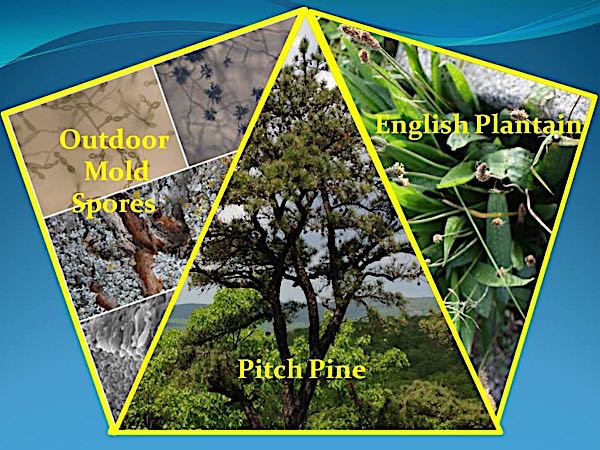
“It looks like we may be past the peak of Pine,” says Dr. Dvorin “but the heat and humidity are also playing a role in pollen distribution. Outdoor mold spores are still very high, approaching extreme levels, and English Plantain weed pollen. When you consider what’s in the air—Pine Tree Pollen, Outdoor Molds, and Weeds plus the weather variable and the priming effect, the outlook is tough if you have allergies & asthma.”Pine: Star Player Triples; Mold Batting Cleanup
 May 25, 2016
allergies, allergy, allergy symptoms, Dr. Donald Dvorin, Dr. Marc Goldstein, grass pollen, mold spores, mount laurel, mulberry tree pollen, oak tree pollen, outdoor mold, philadelphia, pine pollen, pine pollen allergy, pine tree pollen, pine trees, pinelands, pollen, pollen count, southern new jersey, spring, The Asthma Center, tree pollen
Pine: Star Player Triples; Mold Batting Cleanup
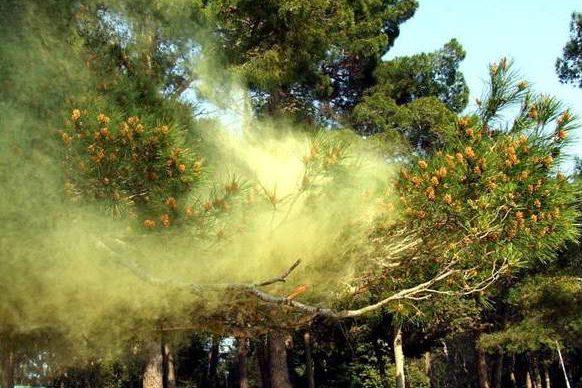
“For individuals who today are sneezing, itching, have itchy watery eyes and/or other allergy & asthma symptoms, exposure to multiple aeroallergens—what’s in the air—especially pine pollen in our air matters now,” explains Dr. Goldstein. “Pine pollen makes our region unique from an allergy perspective compared to other areas of the Northeastern U.S. where pine pollen is minimal, nonexistent, or other species are prevalent.”Rain Brings Trouble As Mold Spores Double
 May 24, 2016
allergies, allergy, allergy symptoms, Dr. Donald Dvorin, grass pollen, local pollen count, mold, mold spores, pollen count, spring, The Asthma Center, tree pollen
Rain Brings Trouble As Mold Spores Double
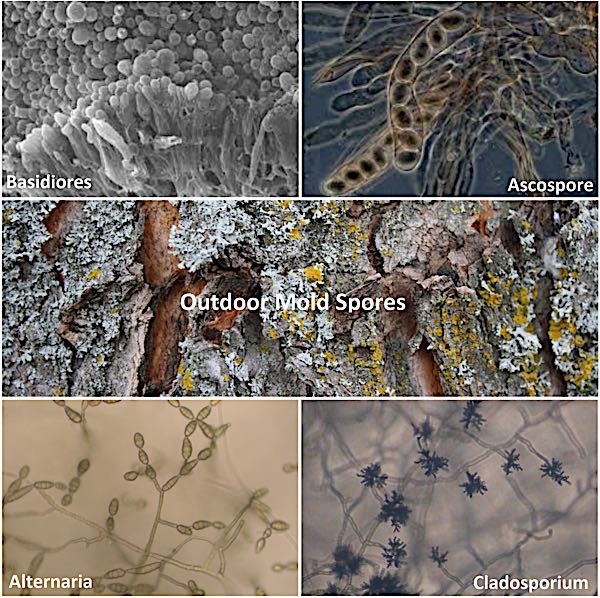
“Outdoor mold spores more than doubled compared to yesterday, “ reported Dr. Dvorin. “It’s the weather—the storms and the rain—and temperatures heating up.” In the past 30 days, the National Weather Service (NOAA) recorded more rain for Philadelphia/Mount Holly, NJ than for Seattle, WA!Aging Oak Reigns…Horse Chestnut Blooms
 May 17, 2016
allergies, allergy, allergy symptoms, Dr. Donald Dvorin, grass pollen, Horse Chestnut, local pollen count, mold spores, Morris Arboretum, mulberry tree pollen, oak tree pollen, pine tree pollen, pollen, pollen count, spring, The Asthma Center, tree pollen
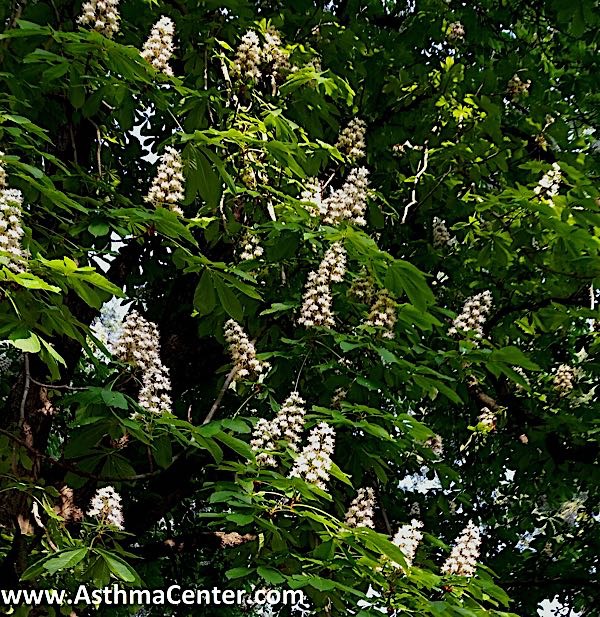
Aging Oak Reigns…Horse Chestnut Blooms
“You can tell when pollen grains are older,” Dr. Dvorin explained. "Oak Tree pollen grains are still identifiable and predominant in both Mount Laurel and Philly air samples today, but they look ‘older’-- when pollen has been in the air for awhile, the grains start to break down, and compared to fresh and recently released pollen, they just look older."Pollen Volume: We’ve Got the Full Story
 May 11, 2016
allergies, allergy, allergy symptoms, Dr. Donald Dvorin, grass pollen, local pollen count, mold spores, mulberry tree pollen, oak tree pollen, pine tree pollen, pollen, pollen count, spring, The Asthma Center, tree pollen
Pollen Volume: We’ve Got the Full Story
“Volume is never the whole story.” You’ve heard it before and you’ll hear it again from Dr. Dvorin. Today, however, The Asthma Center is pleased to present Dr. Dvorin’s first local pollen count vlog, so you have a chance to hear him describe today’s pollen and mold count for the Delaware Valley.Extreme Tree +More Grass & Molds = Misery Monday
 May 9, 2016
allergies, allergy, allergy shots, allergy skin testing, allergy symptoms, birch tree pollen, Dr. Donald Dvorin, grass pollen, local pollen count, mold spores, mulberry tree pollen, oak tree pollen, pine tree pollen, pollen, pollen count, spring, The Asthma Center, tree pollen
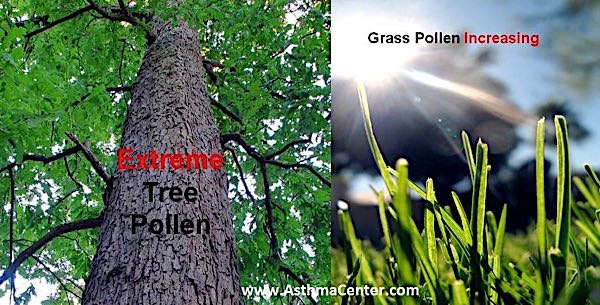
Extreme Tree +More Grass & Molds = Misery Monday
“Oak Tree Pollen looks like it’s in the peak phase which will continue for the next seven days...Grass pollen is up, and I expect it to keep increasing—historically, our area sees the peak of the Spring Grass Pollen season right before Memorial Day, and Outdoor mold spores were increased today too, probably due to all the rain we had for more than a week," warns Dr. Donald Dvorin




Most
Recent
Recent
Most
Popular
Popular











Search By Topic

 9.8 of 10.0 stars; 2.3k+ likes


Billing•
Cost Comparisons•
Cancellations•
Practice Policies•
Privacy Practices 
Careers• Patient Resources• Reviews
Careers• Patient Resources• Reviews
4.9 of 5.0 stars


