All posts by admin

allergies in pa

Chronic Mouth Breathing: Risks and Complications

by Marc F. Goldstein, MD

What is mouth breathing?

Mouth breathing is when a person habitually breathes through their mouth instead of their nose. Mouth breathing often develops gradually and many individuals are usually unaware that they are doing it, especially in their sleep. Acute mouth breathing can occur during a cold or respiratory allergies. Chronic mouth breathing is oftentimes a sign of underlying issues in the nose related to either allergies, non-allergic swelling of the nose, enlarged adenoids and/or tonsils or other structural problems in the nasal airway. 

Are there long term risks and complications to mouth breathing?

Studies over the years have shown that chronic mouth breathing can significantly affect overall health, including dental development and facial structural development. However, recent studies have shown that mouth breathing causes significant cardiovascular effects as well. Normally, nose breathing slows our breathing and improves lung capacity. If one is chronically mouth breathing, they are disrupting and bypassing several natural functions of the nose and puts people at risk for developing a variety of complications.

Patients who mouth-breathe often experience: 

  1. Snoring at night
  2. Snoring and sleep apnea, which causes an individual stop breathing in their sleep, leading to nighttime awakenings, disruption in normal sleep architecture, drop in oxygenation during times when you do not breath (apnea) – latter may have long-term consequences on brain, heart, lung, and kidneys
  3. Severe nasal obstruction, which can also put people at risk for a variety of cardiovascular problems including increase in blood pressure and decrease in oxygenation in the blood
  4. Chronic sore throat, particularly in the morning
  5. Hoarse voice
  6. Misalignment of the teeth called malocclusion, typically in children who are developmentally growing
  7. Dry mouth and chronically chapped lips
  8. Drooling in sleep
  9. Disruptive facial development in children producing elongated features or receding jaw and development of high arch palate
  10. Mental fatigue
  11. Possible misdiagnosis of Attention, Deficit, Hyperactivity Disorder (ADHD
  12. Chronic bad breath due to bacterial overgrowth and dryness in the mouth

Does mouth breathing impact my teeth and smile? Effects of mouth breathing on dental and facial development

There are several dental problems that are associated with mouth breathing as well including:

  1. Grinding or bruxism, where clenching of teeth causes wear and tear of teeth enamel and occasionally dental fracture
  2. Enlarged tonsils
  3. Enlarged adenoids 
  4. Disorders of the joints in the jaw called TMJ disease
  5. Dental erosion
  6. Misalignment of teeth with teeth crowding or crooked teeth
  7. Gum disease or inflamed gums
  8. Tooth decaying
  9. Impacted teeth. 

Dentists are often the first one to identify mouth breathing as a chronic problem, as they see the dental consequences. People who suffer from sleep apnea, which may or may not be related to chronic mouth breathing, will also experience issues in regard to daytime fatigue, excessive sleepiness during the day, low energy, brain fog consistent with difficulty concentrating, poor memory, decrease in mental clarity, and in some children increase in activity. In children, structural problems can also occur because of chronic mouth-breathing and abnormal growth in the jaw. A child who is a chronic mouth breather may develop an elongated facial shape with a receding chin and a narrow jaw. Children will also habitually keep their mouth open slightly, even when they are relaxed or focused on a task, leading to frequent chapped lips, lip smacking, dermatitis around the lips, noisy eating, and speech difficulty. 

When should I see a doctor if I mouth breathe? Should I see an allergist for mouth breathing?

Mouth breathing should be evaluated by a physician who has expertise in upper airway disease. Qualified Allergists are best equipped to handle many of the non-dental issues, including airway obstruction due to enlargement of lymphoid tissue in the tonsils, adenoids, sleep apnea, chronic allergies, and nasal polyp disease. Evaluation by an allergist would include (1) evaluating and managing the possibility of upper respiratory allergies producing nasal obstruction and mouth breathing, and (2) an a physical exam focusing on the nasal airway to look for structural problems like septal deviations, nasal polyps, mucus secreting tumors, cancers, tonsil and adenoid enlargement in the upper airway. Treatment of such disorders often significantly improve mouth breathing and subsequently improve many of the complications associated with mouth breathing as described above. 

Xolair: First FDA Approved Drug for Food Allergies


What is Xolair?

On Friday, February 16, 2024, the FDA approved the first ever drug, Xolair (omalizumab), for the treatment of food allergies for children one year and older, and for adults. This is a revolutionary approach for the treatment of food allergies and can now be prescribed by the food allergy doctors at The Asthma Center.

The approval of Xolair was based on a multicenter US study involving 168 adults and children greater than 1 year old, allergic to peanuts and at least 1 other food. Xolair treated individuals had a statistically significant reduction of food allergic reactions upon food challenges in comparison to placebo treated individuals.

What are common food allergies?

Millions of Americans (about 6 percent of the US population) have food allergies putting them at risk for potentially life-threatening allergic reactions called anaphylaxis. It is estimated from the USDA (2023) that food anaphylaxis results in 30,000 emergency room visits, 2,000 hospitalizations, and 150 deaths in the US per year.

The nine most common causes of food allergies in the US include: milk, egg, fish, Crustacean shellfish (crab, shrimp, lobster), tree nuts (e.g. almonds, walnuts, cashews, pecans), peanuts, wheat, soybean, and sesame.

What does Xolair treat?

Xolair is a monoclonal antibody biologic drug that was originally approved in 2003 for treatment of moderate to severe asthma and subsequently approved for chronic hives and chronic rhinosinusitis with nasal polyps. In February 2024, Xolair was approved to help treat food allergies.

Can Xolair be used to treat food allergies? 

Yes, Xolair can be used to treat food allergies. It was approved in 2024 to help reduce allergic reactions to food(s) after accidental exposure, however it is not approved  for immediate emergency treatment of allergic food reactions like food-induced anaphylaxis. Individuals with food allergies, even on Xolair, will need to continue adhering to strict food avoidance.

Can Xolair be used to treat food allergies in kids? Can Xolair be used to treat food allergies in adults?

Yes, Xolair can be used to treat food allergies in kids one year old and older, as well as in adults.

How is Xolair used for food allergy treatment?

Xolair is administered by injection by a medical professional in a medical office. For food allergy treatment, it is injected every 2 to 4 weeks.

This treatment reduces the risk of severe food allergic reactions (anaphylaxis) that occurs with accidental exposure to one or more foods. Xolair is not approved for the emergency treatment of food allergic reactions and therefore strict food avoidance should still be continued.

Does The Asthma Center Treat Food Allergies with Xolair?

Yes, the food allergy doctors at The Asthma Center use Xolair to treat food allergies. Patients are first evaluated by our allergy doctors for their history of food-induced allergic reactions. Our doctors then can test for food allergies using skin test(s) and/or blood test(s). After diagnosing the complete range of food allergies, our allergy doctors will discuss with you the option of using Xolair for the treat of food allergies. To learn more about this revolutionary new treatment option for food allergies, please see Xolair for Food Allergy Treatment.

Our food allergy doctors treat patients for food allergies in the Philadelphia area and South Jersey at our locations:

Center City Philadelphia • Northeast Philadelphia

Langhorne, Bucks County PA

Mt. Laurel NJ

Is COVID-19 Vaccine Safe for Severe Allergies?

TRIPLENDEMIC: RSV, COVID-19 or Flu

We are currently experiencing concurrent emerging cases of RSV, COVID-19, and influenza virus causing acute respiratory symptoms in children and adults.. Flu cases started earlier than usual this season and there is an increased number of cases of respiratory syncytial virus infection commonly known as RSV with new COVID-19 Omicron subvariants. COVID-19 in the meantime is starting to increase with increasing trends of admissions and hospitalizations throughout most parts of the country. These viruses will continue to spread as we head into the winter.  Fortunately, for the past two years, RSV and flu have been less problematic as people had observed masking and social distancing decreasing the rate of transmission. Therefore, lack of exposure over the past two years has left most people, particularly children, with lower levels of protection and more vulnerable to the current respiratory virus season.  In addition, there has been a relaxation of COVID-19 precautions, so transmission of respiratory viruses will continue to increase for all three viruses as we head through the winter months.

How do I know if I have RSV vs COVID vs Flu?

The symptoms of RSV, COVID, and influenza can be very similar, making it difficult to make a clinical distinction between the three. With RSV, COVID, and flu, people can experience cough, sore throat, fever, and runny nose. You can test for COVID at home with COVID antigen tests whereas testing for influenza and RSV must be done in a health facility.  Home assays for FLU & RSV have not been developed yet. 

What are the health risks of COVID vs Flu vs RSV?

Those who are at greater risk of having serious disease from RSV, COVID, and flu (influenza) includes the very young and very old as well as those who have certain underlying health conditions.  Symptoms can progress quickly and spread throughout the household making it difficult for work and school attendance and following normal routines.  Even mild infection with COVID can lead to longer term symptoms called long COVID that can produce issues with brain fog, extreme fatigue and palpitations of the heart. 

Are there vaccines for COVID vs Flu vs RSV?

There is not yet a single vaccine for COVID, flu and RSV. There is a standalone COVID vaccine and a standalone flu vaccine. There is no vaccine for RSV.

For COVID, there is an updated bivalent COVID vaccine that recently became available for those who are 5 and older and who have already gone through primary COVID monovalent vaccinations. For the flu vaccine, this year, there seems to be a good match between what we are seeing currently in terms of the dominant influenza strain H3N2 and what is covered in this year’s influenza vaccine, which means that the flu vaccine will be effective in helping reduce the severity of flu symptoms. 

There are several forms of the influenza vaccination that can be obtained depending on your age, previous reactions to preservatives, and preference for route of administration.  It usually takes two to three weeks to develop an immune response to the vaccine, so it is recommended that people get vaccinated if they have not received their influenza vaccination at this time.  Influenza cannot only cause acute respiratory symptoms in the nose and the chest, but can lead to more severe infection and in some cases death.  At this time, it is difficult to determine whether the influenza season will result in more severe cases resulting in hospitalization and death, however, vaccine protection would help decrease the chance of severe outcome. 

What is RSV? Is there a RSV vaccine? 

RSV infections are due to a virus that infects the respiratory tract and typically causes a mild cold like syndrome in most older children and adults, but can be very dangerous and deadly in very young children, particularly babies under 1 and in the elderly. An RSV vaccine is currently not available, but is being developed in the United States.  The only way to establish immunity to RSV is really through an infection.  Since the COVID pandemic, RSV cases dropped off makes young children less likely to have developed immunity from past infection.  The virus typically will circulate this time of the year throughout the winter and young children who have not been exposed are being hit now and causing dramatic increase in hospitalizations in pediatric hospitals.

What can you do to decrease your chance of getting sick from RSV, COVID, and flu (influenza)? 

To reduce your chances of getting sick from RSV, COVID, or the flu, it is important to get fully vaccinated to the flu (influenza) as well as COVID-19, particularly the bivalent booster that is currently available that protects against the currently circulating Omicron variants. In addition, to prevent transmission of all viral illnesses, hand washing, coughing or sneezing into your elbow is important to prevent transmission, wearing a mask is appropriate in public settings and staying home if you are symptomatic to recover quickly and prevent transmission rates. Improved ventilation in indoor environments also will help decrease transmission rates. In cases where symptoms seem to be progressing particularly in young children and adults, antiviral therapy or monoclonal antibody therapy may still be appropriate for patients who have acute COVID to prevent progression to severe infection or development of long-term COVID symptoms. Supportive therapy for any other respiratory complications may also be required in cases of influenza, COVID or RSV. Antiviral therapy for influenza may also be appropriate with the acute onset of symptoms and/or for those who are exposed to individuals with documented acute influenza.

The Benefits of In-person Medical Care

We were all grateful for telemedicine during the height of the COVID crisis and appreciate the ease of speaking to a doctor while at home in slippers, but there’s no substitute for a “hands on” exam and the associated diagnostic testing that only an in-person exam with your physician can provide.

Relying only on conversations about symptoms to identify medical problems, as in a telemedicine visit, can often lead to an incorrect diagnosis and inappropriate treatment.  For example, a stuffy nose can be a symptom of allergies, common cold, a bacterial sinus infection, nasal polyps, nasal tumor, and the list goes on.

A comprehensive exam and appropriate diagnostic testing during an in-office visit provide the setting in which you can receive the most accurate diagnosis and therefore the best care.  The comprehensive care provided in an office setting cannot be offered through telemedicine which is why we have committed to continue in-person patient care throughout the pandemic and beyond.


Come see us and begin your path to a healthier future!

South Philly Fire Presents Problems for Those with Asthma and COPD

Yesterday afternoon the news of a large 2 alarm fire in Southwest Philadelphia hit headlines across the region.  While it is still not clear exactly what started the blaze, officials say that it stemmed from several small debris fires at a junkyard.  As seen in the photo above, winds have carried smoke and fumes all the way to Southern New Jersey.

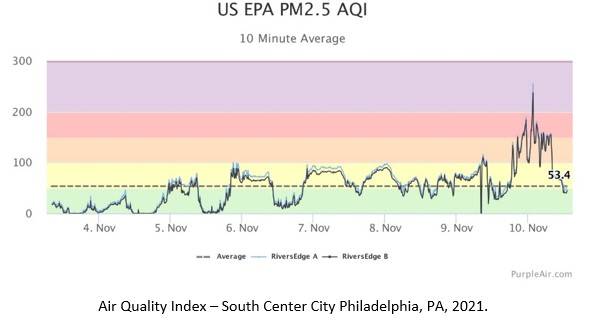
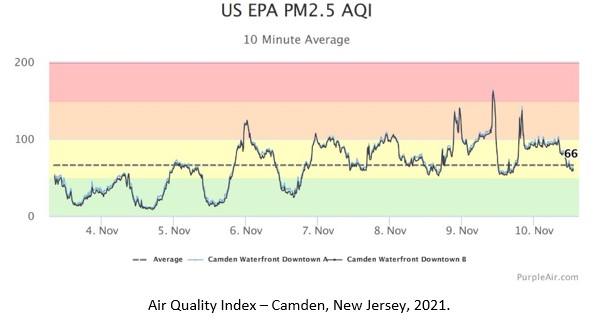
Due to the contents and size of this fire, it is very important for those in the Philadelphia and New Jersey area with heart and lung problems to minimize outdoor exposure until the air quality improves.  This is an instance when wearing a mask when outside is especially important, whether around other people or not.  Not only are masks effective protection against the spread of COVID-19, they also filter out harmful materials caused by fire.  Acute particulates found in smoke can affect symptoms in patients with conditions such as Asthma and COPD.  As shown in the graphs from Purple Air below, the fire caused a spike in particulates in the air from Philadelphia to Camden.


CC AQI


NJ AQI


Certainly, maintain medications as directed, use rescue inhalers as needed, and feel free to contact The Asthma Center with questions or concerns.

Third mRNA COVID-19 Booster Shot Vaccination for Immunocompromised Individuals

About 2.7% of all American adults are considered to be immunocompromised, which puts them at a higher risk of having a severe COVID-19 infection and spreading the virus to others.  There are now several studies that have shown that moderately to severely immunocompromised individuals have higher risk of developing severe COVID-19 infection with prolonged illness and prolonged viral shedding.  Other evidence suggests that such individuals may also produce lower levels of antibody protection after receiving 2 doses of COVID-19 mRNA vaccine (Pfizer, Moderna) compared to individuals who have normal immune systems.  Immunocompromised individuals will therefore experience slower protective vaccine effects as well as have a higher rate of hospitalization due to breakthrough infections. 


Has the Third COVID-19 Booster Shot Been Approved for the Immunocompromised?

The Center for Diseases Control and Prevention (CDC) and FDA have endorsed an additional mRNA COVID-19 vaccine to patients who are moderately to severely immunocompromised and who have completed a 2-dose mRNA primary series with either Pfizer – BioNTech or Moderna vaccines.  The additional mRNA COVID-19 vaccine must be provided at least 4 weeks (28 days) after the second dose of mRNA vaccine. 


Who is an Immunocompromised Individual and Qualifies for Getting the COVID-19 Booster Vaccination?

Patients in our practice who are moderately to severely immunocompromised include those with moderate or severe primary or secondary immunodeficiencies and those individuals on immunosuppressive treatments.   Immunodeficient patients with common variable hypogammaglobulinemia (CVID), selective IgA deficiency, or selective IgM immunodeficiency should get a third COVID-19 vaccination.  In addition, patients who require high dose corticosteroids (greater than 20 mg per day) on a regular basis are also considered as being immunocompromised.  Patients seen at The Asthma Center who may be immunocompromised due to treatment prescribed by another physician for organ transplant, CAR-T cell therapy or stem cell transplant, cancer chemotherapy or immunotherapy, autoimmune disease, HIV, or other immunosuppressive or immunomodulatory drugs (some biologics, antimetabolites, alkylating agents) should discuss with their Asthma Center physician as to whether they should get a third dose.  Other than those patients who have moderate to severe immunocompromise, no other groups are eligible to receive an additional mRNA COVID-19 vaccine at this time.  Additional doses of the COVID-19 vaccine should be with the same vaccine as the initial 2 dose mRNA vaccine but if it is not available, another product may be given.


What About J&J COVID-19 Booster Shot Vaccination for the Immunocompromised?

There is not enough evidence to support whether the use of additional mRNA COVID-19 vaccine dose should be given after a single dose of Johnson & Johnson/Janssen COVID-19 vaccine in immunocompromised people.  The FDA has not approved the use of additional mRNA vaccine after a single dose of the Johnson & Johnson/Janssen COVID-19 vaccine series in any individuals.  The recommendation of additional doses may change in the future and CDC and FDA updates will be provided as they become available.

Ragweed Allergies vs Covid-19 vs Cold

What is Ragweed Allergy Season?

Though you may not realize it yet, ragweed allergy season is upon us again.  Every year in mid-August the inevitable sneezing and itching takes over and makes life a whole lot more difficult for the rest of the summer and early fall.  For those allergic to late summer and fall pollens, especially ragweed, this year is no exception despite how out-of-the-ordinary the rest of life has been.

                Ragweed is just what it sounds like – a weed!  It will grow anywhere from cracks in cement to open fields and in all kinds of weather conditions.  “They are really hearty,” explains Dr. Marc Goldstein, board certified allergist at The Asthma Center.  And due to increasing carbon dioxide levels and rising temperatures, we are experiencing an earlier onset of the ragweed season than usual.  According to Dr. Goldstein, “the season is starting earlier, and possibly will end a little later.”  Additionally, this is due in part to hot days and long hours of sunlight, which promotes ragweed growth after plants have germinated in the spring. In general, an individual ragweed plant can produce over 50 million pollen grains and ragweed pollen can remain airborne for over a 200-mile radius, which puts a whole lot of people in the line of pollen fire!

Ragweed Allergy vs COVID-19 vs Colds

                The big question that crosses the mind of every allergy sufferer now during the COVID 19 pandemic is, “How do I know if I am experiencing allergy symptoms, COVID-19, or even just a cold?”  In general, ragweed allergy is characterized by nasal congestion, runny nose, sneezing, and itchy eyes.  COVID-19, on the other hand, brings on fatigue, fever, body aches, cough, and shortness of breath. 

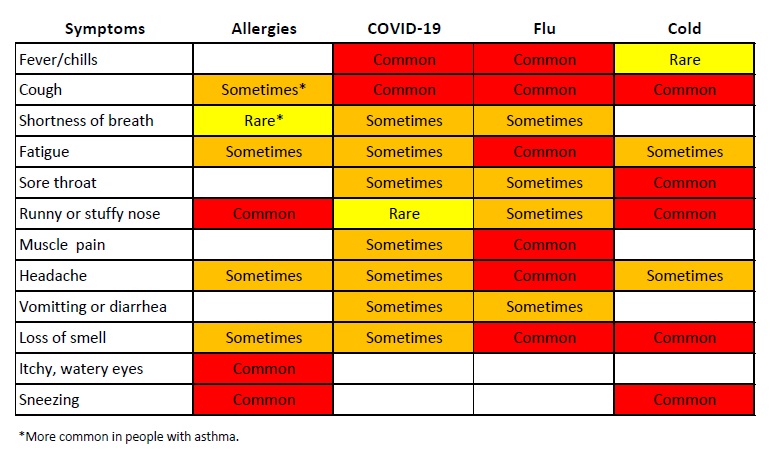
One of the more common symptoms that can lead to confusion between ragweed allergy, COVID-19, and the common cold is an acute loss of sense of smell which can occur in all three of these conditions.  So, how can one know what is causing the smell loss?   Smell loss is almost always associated with nasal congestion in those who are allergic to ragweed and often with those who have colds.  However, nasal congestion is not typically associated with smell loss in those who have COVID-19. It can get confusing, but the below chart may help differentiate symptoms of allergies, COVID-19, the flu, and a common cold.  Most of the time people regain their sense of smell despite the cause.  However, for those whose loss of smell remains impaired, The Asthma Center has developed treatment options which have helped many people regain some or all of their sense of smell.   In an interview with CBS reporter Stephanie Stahl about one such treatment, an Asthma Center patient explains, “It’s been a total life changer.  I call it liquid gold.”  Read the full interview here.

   COVID Symptoms Comparisons

To learn more about COVID-19, especially for those with asthma, please read our blog COVID-19 vs Asthma.

How Long Does Ragweed Allergy Season Last?      

While ragweed season may feel like an eternity for those living through these allergic symptoms, it should start to wind down by mid-fall.  That may sound like a long way off, but the leaves will start changing and we will all start breathing a little easier.  And if not, give us a visit at The Asthma Center and we’ll work our magic!  There are many effective and safe treatments to help allergy sufferers comfortably get through the season.

To learn more about Ragweed allergies, please visit Dr. Goldstein’s article about Ragweed on the Curist website here.


Seafood, Cicadas, Dust Mites – OH MY!


As we delve farther into this cicada season, some interesting questions, observations, and research have been taking place.  On the forefront is the news of the cross-relation between seafood allergies and cicada allergies.  The cicada is the distant cousin of the seafood family and shares cross-reacting proteins.  As a result, the FDA is advising against the consumption of cicadas if you have a known seafood allergy.  Yes, you read that right – people are eating cicadas this year!  And things only get more complicated when we introduce dust mites into the conversation.  Read on for more…

Cicadas emerge from the ground every 17 years by the billions.  So, why has it become so popular to eat them this time around?  The main catalyst for this trend stems from a report from the United Nations back in 2013, in which they described the ways eating bugs could improve the global food sustainability crisis.  In addition, bugs like cicadas are a great gluten-free, low-fat source of protein.  There are also historical roots to eating cicadas in the United States.  Some Native American tribes ate insects and would certainly eat cicadas when their 17-year cycle came around.  These factors amongst others have combined to create the right environment for cicada-eating popularity in 2021.

While this might sound like a great sales-pitch to fry up some cicadas, the Food and Agriculture Organization of the U.N. later reported that the allergenic risks of eating insects need more investigative research before we all dig in.  And this is what prompted the connection being made between cicadas and seafood, like shrimp and lobster.  Both belong to the arthropod family, causing some to even nickname cicadas “tree shrimp”.  Simply put, those who are allergic to seafood, such as shrimp, are likely to have an allergic reaction to cicadas and should avoid consuming both.

If that wasn’t bizarre enough, there is a third factor at play involving dust mites.  As explained in the 2018 volume of Molecular Immunology, “Various insect allergens have been identified including tropomyosin and arginine kinase, which are both pan-allergens known for their cross-reactivity with homologous proteins in crustaceans and house dust mite.”  Essentially, if someone is allergic to dust mites there is concern that they are also allergic to cicadas due to the allergenic connection between cicadas and crustaceans.   It should also be noted that there is a close relation between cicadas, cockroaches, crickets, and other insects.  So, those who have a known allergy to these insects should steer clear of cicadas as well.

This cross-reactivity is not well known even among allergists, but is incredibly important for allergists to be aware of and to consistently learn more about these as cultural trends shift and develop.  And while many people in the U.S. might turn their noses up at the idea of eating cicadas, it is still vital for us to understand the connections that exist between allergens.  In summary, while cicadas might put a crunch in your cookie it may be best to stick with chocolate chips!

Itchy Eye Relief without the Preservatives

Many springtime allergy sufferers rely on oral antihistamines to address a range of allergy symptoms.   And according to many patients, one of the more annoying issues which is not always resolved is itchy eyes.  Dr. Goldstein, Director of The Asthma Center, explains, “Spring pollen season is definitely the worst time of year for ocular allergies, and many spring hayfever sufferers are experiencing intense eye allergy symptoms.”  Outside of oral antihistamines there are antihistamine eye drops, which work quicker but often sting on initial application.  This can make an already irritating situation even more maddening.

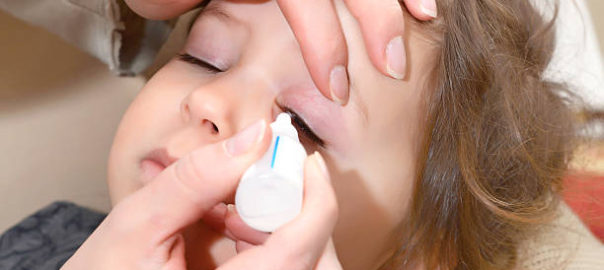
Bausch & Lomb seem to have found a solution.  They are now manufacturing a new over the counter eye drop – Alaway Preservative Free.  Obviously, these drops do not contain any preservatives and this can be a game changer for many.  Preservatives can cause additional irritation to puffy, sore eyes.  This can be a problem especially for children.  Not only are eye drops difficult to administer to children in general, but a painful experience can make it even harder in the future.  Preservative free eye drops can alleviate this issue.  It is important to note that Alaway drops are safe to use with anyone over the age of 3.  In addition, they are fast acting – working within a few minutes – and last up to 12 hours.  Not only do the drops address itchiness, they also work to reduce allergic inflammation.

Outside of oral and eye drop antihistamines, it is important to know some basic ways to reduce allergy itchiness:

  • Wear sunglasses or glasses outdoors to limit exposure of pollen to your eyes.
  • Avoid wearing contact lenses, or switch to daily disposable contacts to avoid allergens building up on the lenses.
  • Wash your hands and face frequently, including eyebrows.
  • Change your pillowcase often.
  • Visit our allergists at The Asthma Center to determine the cause of your allergies.  It may also be necessary to get prescription eye drops or begin allergen immunotherapy (shots).

If you think that Alaway Preservative Free eye drops could be a fitting solution for your spring allergies, feel free to ask one of our physicians at your next visit.

Understanding Seafood Allergies


Prevalence of Seafood Allergies & Sub-group Allergies 

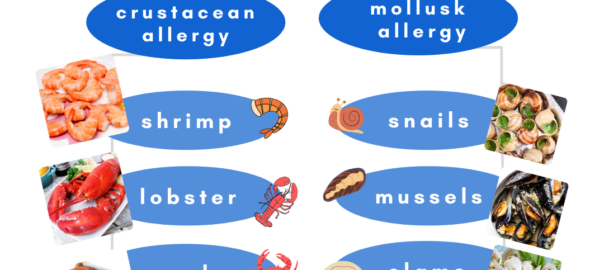
Allergies to seafood are the most commonly reported allergy for adults and are among the most common for young children. Seafood allergies affect about 1-3% of the general population, with allergy to shellfish specifically being the most common and tending to cause more severe reactions and emergency department visits. Seafood allergy can be split into two categories: fish allergy and shellfish allergy. Fish (vertebrates with bony spines) allergy can include allergies to species like the following: salmon, tuna, and cod. Shellfish (invertebrates with no bony spine) allergy is further broken down into crustacean allergy (shrimp, lobster, crab, etc.) and mollusk allergy (snails, mussels, clams, oysters, etc.). Many individuals who are allergic to one type of shellfish are also allergic to the other. Crustacean allergy is more common than mollusk allergy. Geographic distribution and varying dietary patterns also influence the prevalence of shellfish allergies; for example, shellfish allergy is considered more common in Asian countries, where shellfish is more often consumed, than in, for instance, the US.

Shellfish allergy throughout life 

Shellfish allergy can develop at any age throughout life and can be persistent, even for those with new onset shellfish allergy. Some individuals, on the other hand, can experience an allergic reaction the first time they eat shellfish.

Causes of seafood allergy

Fish allergies are primarily caused by parvalbumins, a type of calcium-binding protein. Other allergens that can cause fish allergy include enolases and aldolases, two enzymes, and fish gelatin. The major allergens in shellfish allergy are muscle proteins called tropomyosins. Other allergens in shellfish allergy include myosin light chain (a muscle protein), arginine kinase (an enzyme), and hemocyanin (a protein in mollusks that carries oxygen).

Mechanism of seafood allergy 

Most allergic reactions occur in response to recognition to the above allergens by allergy antibodies known as IgE antibodies. After exposure, the body produces antigen-specific (for example tropomyosin-specific) allergy IgE antibodies. These specific IgE antibodies bind to mast cells (a specific type of immune cell), and can also bind to allergens (like tropomyosin) when exposed. Binding the allergen to the specific IgEs on mast cells spurs an allergic immune response, prompting mast cells to release histamine and other inflammatory chemicals to produce allergy symptoms.

Symptoms of seafood allergy 

These reactions often present within one hour of ingestion. Common symptoms include:

  • Hives (urticaria)
  • Shortness of breath (dyspnea)
  • Throat tightness 
  • Deep swelling of various body parts (angioedema)
  • Respiratory symptoms 
  • Swelling of vocal cords and epiglottis that can cause airway obstruction (laryngeal edema)
  • Severe allergic reaction (anaphylaxis) involving multiple body parts and often occur with a drop in blood pressure

Contact dermatitis 

Contact dermatitis is another allergic reaction that can occur after handling seafood. Contact dermatitis is characterized by an allergic skin reaction, usually red, itchy, and swelling in the general spot of contact. This reaction occurs in response to the allergic proteins that enter the skin after contact and often occurs after previous sensitization. Contact allergies to shellfish may occur in the absence of respiratory or GI symptoms. These reactions can take anywhere from minutes to hours to occur.

Inhalation of allergens

Inhalation of seafood allergens, for example during cooking or processing, can also cause allergic reactions to the inhaled proteins. These reactions can cause symptoms similar to asthma.

Cross-reactivity

Cross-reactive allergens are similar proteins present in different substances. The proteins share the majority of amino acid sequences, the building blocks of protein, stimulating production of allergy antibodies (IgEs) that can react to similar appearing proteins across different substances. Cross-reactivity is high (91-100%) amongst shellfish species as well as some non-shellfish substances due to the presence of shared cross-reacting tropomyosin and other muscle protein allergens. Therefore allergic reactions to crustaceans and mollusks may be due to cross-reacting proteins found in crickets, cockroaches and dust mites.

For example, shellfish and house dust mites have similar tropomyosin structures (sharing around 80% similarity). Thus, it is suspected that frequent exposure through inhalation of non-shellfish sources, like house dust mites, may sensitize the individual to cause shellfish allergy by stimulating production of IgE to tropomyosin and other muscle proteins, then causing reactions to shellfish upon ingestion. For each person with diagnosed seafood allergy, it is imperative to also consider and test for cross-reactive proteins in dust mites and cockroaches.

Seafood allergy and iodine allergy 

A common misconception is that individuals with shellfish allergy cannot take iodine or radio contrast material (RCM), which is used for contrast radiologic studies like CT scans and angiograms. This is not true. Previously it was believed that the iodine caused allergic reactions, but now it is known iodine itself does not cause allergies or shellfish allergy. Thus, patients with shellfish allergy are not at greater risk of reacting to RCM than non-shellfish allergic patients. Individuals with shellfish allergy are not at greater risk of reacting to iodine and individuals who react to iodine-containing products (like Betadine or povidone) are not at greater risk of reacting to shellfish.

Seafood-dependent exercise-induced anaphylaxis 

Exercise-induced anaphylaxis can be triggered by ingestion of certain foods followed by exercise or exertion. Shellfish is a common cause of food-dependent exercise-induced anaphylaxis. Symptoms are usually similar to those of anaphylaxis (flushing, hives, fatigue, swelling of the face or extremities, gastrointestinal symptoms, and hypotension) and can begin during or after exercise. Usually, stopping exercise and avoiding food before exercise helps remedy this.

Pseudo-allergy or masqueraders of shellfish allergy 

Anisakis reactions

An allergic reaction to a parasite called Anisakis simplex is another form of pseudo-seafood allergic reactions, that often go underreported and underdiagnosed. Anisakis is a small worm commonly found in seafood that infects these sea creatures through ingestion. These worms can affect humans if the Anisakis-ingested seafood is eaten without being fully cooked. This parasitic worm can be present in salmon, herring, cod, mackerel, squid, halibut, red snapper and shellfish, like shrimp. The allergic reactions produced are due to allergy IgE antibodies directed against Anisakis rather than to the seafood itself.

Anisakis reactions have been shown to cause symptoms ranging from acute or chronic hives (urticaria) to anaphylaxis. Understanding this allergy is important because Anisakis allergy may masquerade as a seafood allergy. Blood testing can be used to identify IgE antibodies specific to the Anisakis allergens.

Food protein-induced enterocolitis syndrome (FPIES) in children and adults 

Enterocolitis is an inflammation of the small intestine and colon, both of which are parts of the digestive system. Symptoms can appear hours after ingestion and can include vomiting and diarrhea. In some cases this reaction can worsen to dehydration and low blood pressure. This is not an IgE-mediated reaction but instead is thought to be in response to other immune cells called T-lymphocytes and their inflammatory proteins (called cytokines). FPIES is presented in early infancy but usually resolves in childhood. Adults can experience an enterocolitis-like reaction as well, often after repeated exposure to a suspected food.

Scombroid poisoning 

Scombroid poisoning, also known as histamine poisoning, is another seafood-related reaction that is often confused with seafood allergies. Scombroid poisoning typically results from eating spoiled or inadequately refrigerated fish/shellfish. This reaction is due to the presence of naturally-occuring histidine in fish or shellfish. As the seafood spoils, bacteria grow rapidly and convert histidine to histamine. Ingestion of histamine can cause a pharmacologic reaction in susceptible individuals that mimics the symptoms of allergies. Symptoms of scombroid poisoning can closely resemble a typical IgE-mediated allergic reaction, including nausea, vomiting, facial flushing, respiratory symptoms, itching and hives. Treatment includes administration of fluids, antihistamines, oral steroids, and at times epinephrine. 

Ciguatera Poisoning 

Ciguatera fish poisoning is a similar appearing acute reaction to scombroid poisoning, but this poisoning is caused by Ciguatera toxins. These toxins are often found in larger predator fish, such as barracuda, red snappers, eels, sea bass, and Spanish mackerels. This is a commonly unreported or misidentified condition, but can have significant consequences. These reactions are often confused with allergic reactions to the predator fish, with symptoms including dizziness, abdominal cramps, vomiting and hypotension.

Testing for shellfish allergy 

Skin testing is often recommended as a first method of evaluation of shellfish allergy. Interpretation can be difficult due to potential cross-reactivity between types of seafood or between shellfish and dust mites. Skin tests with commercial seafood extracts usually show reliable results, but if there is uncertainty, the actual food can be used. Commercial seafood extracts may also run the risk of false negatives, because the extracts often only have the major allergen tropomyosin and not the secondary allergens like myosin light chain protein and hemocyanin. Dust mites and other cross-reactive species do possess the secondary allergens that can sensitize an individual, making them more susceptible to a subsequent allergic shellfish reaction. So, it is important to test for reactions to dust mites and cockroaches, otherwise the skin testing may be incomplete and lead to falsely negative results. 

Food challenges may also be done, most often when skin tests and/or history is inconclusive. 

Unorthodox testing is available for food allergy, but is not recommended. Examples of this type of testing includes use of electrodes (Vega testing), cytotoxic testing (Bryan’s test), iris examination (iridology), IgG food antibody testing, hair analysis and more. In addition to being ineffective, these tests can lead to negative consequences for the patient such as unnecessary dietary restrictions and false confidence about protection from allergies.

Treatment for shellfish allergy 

Allergy to shellfish is usually not outgrown and persistent throughout life. The first line of treatment is thus strict avoidance of shellfish. A major part of this includes avoidance of foods that can potentially be cross-contaminated with shellfish. For example, grocery stores or restaurants where foods can contain unexpected derivatives of shellfish, like in stocks or oils used to prepare the foods. It is important to always ask the person preparing the food if there is risk of hidden exposure. Those with food allergies should also always carry self-injectable epinephrine to treat serious reactions from accidental exposures.